General
iowa:Iowa: State Profile, Rankings, and Key Facts
Iowa, the 29th U.S. state, is a Midwestern agricultural powerhouse known for its first-in-the-nation presidential caucuses, fertile soil, and high quality-of-life rankings. This profile covers its…
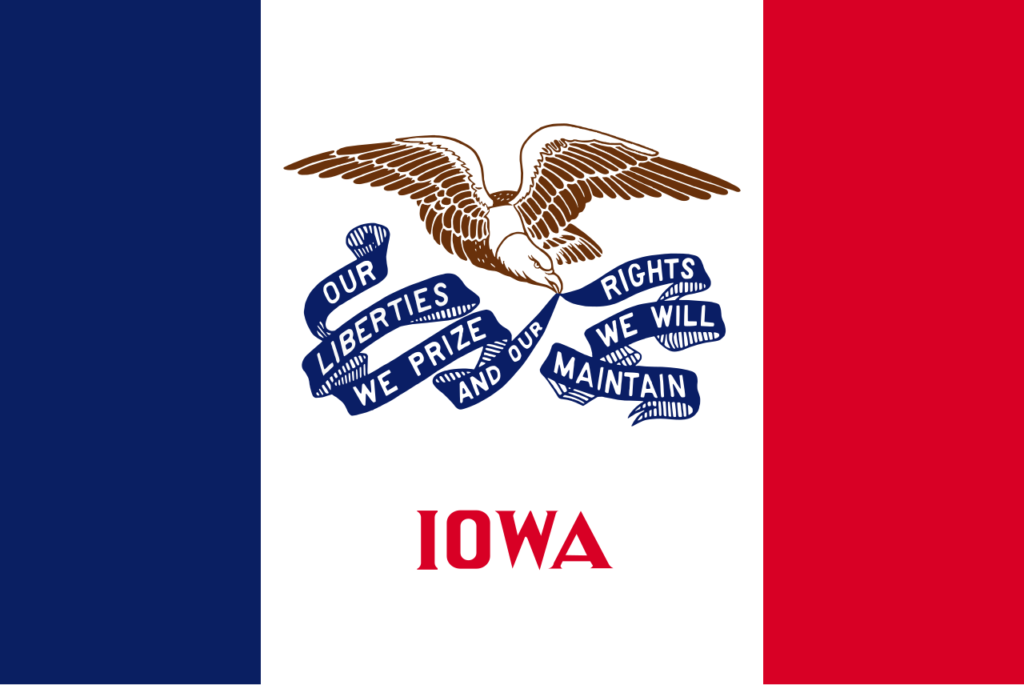
Overview
Iowa, the 29th state admitted to the Union in 1846, occupies a central position in the American Midwest. Bordered by the Mississippi River to the east and the Missouri and Big Sioux rivers to the west, it is the only U.S. state with two parallel rivers defining its entire eastern and western boundaries. The state’s name derives from the Ioway (or Iowa) Native American people who once inhabited the region.
History and Political Significance
Human presence in what is now Iowa dates back at least 12,000 years. Before European contact, the area was home to numerous Native American tribes, including the Dakota Sioux, Illini, Ioway, Missouria, and Otoe. French explorers arrived in 1673, and the territory passed between French and Spanish control before becoming part of the United States through the 1803 Louisiana Purchase.
Since 1972, Iowa has held the first-in-the-nation presidential caucuses every four years, giving the state a disproportionately large role in the U.S. presidential nominating process. This political tradition draws national attention to Iowa each election cycle.
Geography and Natural Features
Iowa’s landscape is commonly divided into three regions:
- Young Drift Plains: Flat, fertile terrain across northern and central Iowa, shaped by glacial deposits from the last ice age. This region contains numerous lakes and wetlands.
- Driftless Area: Northeastern Iowa’s unglaciated zone characterized by pine-forested hills, cliffs, and deeply carved valleys.
- Dissected Till Plains: Rolling hills, ridges, and bluffs across southern and northwestern Iowa, formed by river and stream erosion.
The state’s rich soil is its greatest natural resource, underpinning its agricultural dominance.
Economy and Agriculture
Iowa is a national leader in agricultural production. It ranks first in corn production and is a top producer of soybeans, pork, eggs, and ethanol. The state converts a significant portion of its corn crop into ethanol, making it the leading U.S. producer of this biofuel.
Beyond agriculture, machinery manufacturing—including farm equipment, construction machinery, and home appliances—represents a major industrial sector. In recent decades, the economy has diversified into finance, insurance, biosciences, and advanced manufacturing.
U.S. News & World Report Rankings (Best States)
According to the latest U.S. News Best States rankings, Iowa performs strongly in several categories:
- #2 Opportunity (driven by #6 Affordability and #16 Economic Opportunity)
- #6 Affordability (Cost of Living Index below national average)
- #9 Fiscal Stability (#6 Long-Term, #21 Short-Term)
- #12 Crime & Corrections (#11 Public Safety, #26 Corrections Outcomes)
- #15 Infrastructure (#2 Energy, #35 Internet Access, #35 Transportation)
- #19 Education (#11 Higher Education, #26 Pre-K-12)
- #23 Healthcare (#11 Access, #28 Quality, #26 Public Health)
- #24 Natural Environment (#31 Air & Water Quality, #23 Pollution)
- #39 Economy (#11 Employment, #40 Growth, #44 Business Environment)
Additional metrics highlight Iowa’s #2 ranking for renewable energy usage and #6 for long-term fiscal stability.
Demographics and Culture
Iowa’s population is predominantly concentrated in urban centers such as Des Moines (the capital), Cedar Rapids, Davenport, and Sioux City. The state is known for its high quality of life, low cost of living, and strong community orientation—often described as “Iowa Nice.”
Notable native Iowans include President Herbert Hoover, entertainer Johnny Carson, showman Buffalo Bill Cody, and author Mildred Wirt Benson (creator of Nancy Drew). The house featured in Grant Wood’s iconic painting “American Gothic” stands in Eldon and remains a popular tourist attraction.
Tourism and Attractions
Iowa’s tourism regions include the Driftless Area, Loess Hills, Lakes & Land, Capital Country, and Storied & Scenic corridors. Key attractions include:
- Effigy Mounds National Monument: Over 200 prehistoric earthen mounds shaped like animals, sacred to many Native American tribes.
- American Gothic House in Eldon.
- Living History Farms in Urbandale.
- Extensive biking trails, state parks, and agritourism opportunities.
Wildlife
Common mammals include white-tailed deer, red foxes, thirteen-lined ground squirrels, and least weasels. Bird species feature cerulean warblers, grasshopper sparrows, and scarlet tanagers. Reptiles and amphibians include Great Plains skinks, western hognose snakes, yellow mud turtles, blue-spotted salamanders, and mudpuppies.